
10 Best Personal Finance Books for Beginners (2026 Guide)
Introduction
The best personal finance books for beginners can make learning about money much easier, yet most people never receive formal financial education. Whether you’re just starting your career, saving for your first home, or looking to build long-term wealth, the right book can completely change how you think about money.
The best personal finance books don’t promise overnight riches. Instead, they teach practical principles like budgeting, investing, saving, avoiding debt, and making smarter financial decisions. These lessons can help you build lasting financial security regardless of your income.
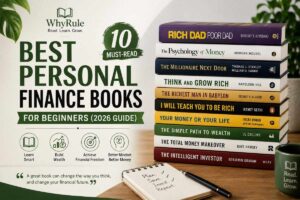
In this guide, we’ve selected ten of the best personal finance books for beginners. Each book offers valuable insights that are easy to understand and apply in everyday life. Whether you’re new to personal finance or looking to strengthen your financial knowledge, this list will help you choose the right place to start.
Why Should You Read Personal Finance Books?
Personal finance isn’t just about earning more money—it’s about learning how to manage what you already have.
Reading personal finance books can help you:
- Build healthy money habits
- Understand budgeting and saving
- Learn the basics of investing
- Avoid common financial mistakes
- Reduce debt effectively
- Plan for retirement
- Develop a long-term wealth-building mindset
Even reading one well-written finance book can provide lessons that positively influence your financial decisions for years.
How We Selected These Books
This list is based on several important factors:
- Beginner-friendly language
- Practical financial advice
- Proven long-term value
- Worldwide popularity
- Positive reader reviews
- Timeless financial principles
These books are suitable for students, young professionals, entrepreneurs, families, and anyone interested in improving their financial knowledge.
1. Rich Dad Poor Dad – Robert T. Kiyosaki
One of the most influential personal finance books ever written, Rich Dad Poor Dad challenges traditional beliefs about money and introduces readers to financial education through simple stories.
What You’ll Learn
- Difference between assets and liabilities
- Why financial education matters
- Building passive income
- Thinking like an investor
- Breaking the paycheck-to-paycheck cycle
Best For
Complete beginners who want to change their mindset about money.
Key Takeaway
Your greatest financial asset is your ability to learn and make informed financial decisions.
2. The Psychology of Money – Morgan Housel
Unlike many finance books that focus on numbers, this bestseller explores how human behavior shapes financial success.
What You’ll Learn
- Why emotions affect money decisions
- Importance of patience
- Long-term investing mindset
- Power of compounding
- Managing financial risks
Best For
Readers interested in understanding the psychology behind wealth.
Key Takeaway
Financial success often depends more on behavior than intelligence.
3. The Millionaire Next Door – Thomas J. Stanley &
William D. Danko
This classic reveals surprising research about how many wealthy people actually live.
What You’ll Learn
- Habits of self-made millionaires
- Importance of living below your means
- Saving consistently
- Financial discipline
- Long-term wealth creation
Best For
Anyone who wants realistic advice instead of flashy “get rich quick” ideas.
Key Takeaway
Wealth is usually built through discipline, not high income.
4. The Richest Man in Babylon – George S. Clason
Written through engaging parables, this timeless classic teaches financial wisdom that’s still relevant today.
What You’ll Learn
- Pay yourself first
- Budget wisely
- Invest consistently
- Protect your wealth
- Increase your earning ability
Best For
Readers who enjoy simple storytelling with timeless lessons.
Key Takeaway
Saving a portion of every paycheck is one of the most powerful wealth-building habits.
5. I Will Teach You to Be Rich – Ramit Sethi
Despite its bold title, this book offers practical, actionable advice on managing money in the modern world.
What You’ll Learn
- Budgeting without sacrificing enjoyment
- Credit card management
- Automated investing
- Retirement planning
- Smart spending
Best For
Young professionals starting their financial journey.
Key Takeaway
Automation makes managing money easier and more consistent.
6. Your Money or Your Life – Vicki Robin & Joe Dominguez
This book encourages readers to rethink their relationship with money and time.
What You’ll Learn
- Conscious spending
- Financial independence
- Tracking expenses
- Simplifying life
- Aligning money with personal values
Best For
People seeking both financial security and life balance.
Key Takeaway
Money should support the life you want—not control it.
7. The Simple Path to Wealth – JL Collins
A straightforward guide to long-term investing and financial independence.
What You’ll Learn
- Index fund investing
- Stock market basics
- Building wealth over time
- Financial independence
- Avoiding unnecessary complexity
Best For
Beginners interested in investing.
Key Takeaway
Simple investing strategies often outperform complicated ones.
8. The Total Money Makeover – Dave Ramsey
This book provides a step-by-step plan to eliminate debt and improve financial health.
What You’ll Learn
- Debt repayment strategies
- Emergency funds
- Budget planning
- Financial discipline
- Long-term saving
Best For
People working to become debt-free.
Key Takeaway
Consistent financial habits beat short-term motivation.
9. Think and Grow Rich – Napoleon Hill
Although written decades ago, this classic remains one of the most influential books on success and wealth-building.
What You’ll Learn
- Goal setting
- Positive thinking
- Persistence
- Success principles
- Personal growth
Best For
Readers looking to develop a success-oriented mindset.
Key Takeaway
Your mindset plays a significant role in achieving financial goals.
10. The Intelligent Investor – Benjamin Graham
Considered the foundation of value investing, this book introduces readers to sound investment principles.
What You’ll Learn
- Value investing
- Margin of safety
- Risk management
- Long-term investing
- Investor psychology
Best For
Readers ready to move beyond personal finance into investing.
Key Takeaway
Successful investing requires patience, discipline, and rational decision-making.
Comparison Table
| Book | Best For | Difficulty |
|---|---|---|
| Rich Dad Poor Dad | Money Mindset | Easy |
| The Psychology of Money | Financial Behavior | Easy |
| The Millionaire Next Door | Wealth Building | Easy |
| The Richest Man in Babylon | Saving Habits | Easy |
| I Will Teach You to Be Rich | Young Professionals | Easy |
| Your Money or Your Life | Financial Independence | Medium |
| The Simple Path to Wealth | Investing | Medium |
| The Total Money Makeover | Debt Management | Easy |
| Think and Grow Rich | Success Mindset | Easy |
| The Intelligent Investor | Investing | Advanced |
Which Book Should You Read First?
If you’re completely new to personal finance, start with Rich Dad Poor Dad. It introduces key financial concepts in an engaging way and encourages a shift in mindset.
After that, The Psychology of Money is an excellent follow-up because it explains why emotions and habits often matter more than technical knowledge when it comes to building wealth.
As your understanding grows, move on to The Intelligent Investor to learn the fundamentals of long-term investing.
Frequently Asked Questions
What is the best personal finance book for complete beginners?
Rich Dad Poor Dad is one of the best starting points because it explains financial concepts in simple language and encourages readers to think differently about money.
Which personal finance book teaches investing?
The Intelligent Investor and The Simple Path to Wealth are excellent choices for learning investing principles.
How many finance books should I read each year?
Reading just four to six high-quality personal finance books annually can significantly improve your financial knowledge and decision-making.
Are these books suitable for students?
Yes. Most of the books on this list are beginner-friendly and suitable for students, young professionals, and anyone interested in learning about money management.
Final Thoughts
Improving your financial future doesn’t happen overnight—it starts with education and consistent action. The books in this guide provide practical advice, proven strategies, and timeless lessons that can help you build better financial habits, make informed decisions, and work toward long-term financial independence.
Whether your goal is to save more, invest wisely, eliminate debt, or simply understand money better, choosing the right book is an excellent first step.
Start with one book, apply what you learn, and gradually expand your knowledge. Small changes in your financial habits today can lead to meaningful results over time.
Further Reading on WhyRule
If a particular title catches your interest, explore its dedicated page on WhyRule for a detailed overview, key takeaways, and buying information. You can also browse our collections on investing, self-development, and documentary to discover your next great read.