
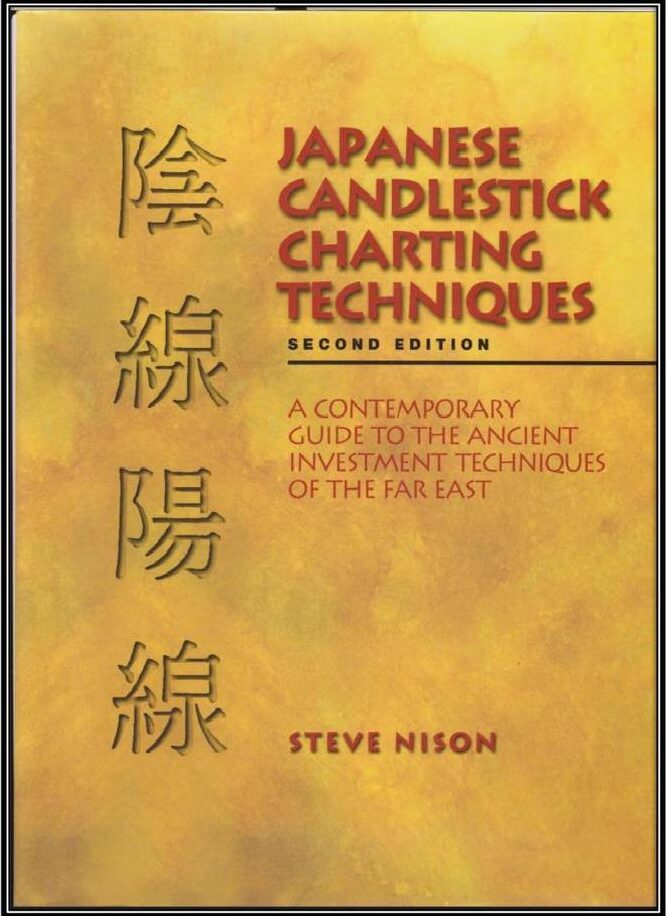
Japanese Candlestick Charting Techniques
*We may earn a small commission at no extra cost to you.
Book Summary
Japanese Candlestick Charting Techniques by Steve Nison is widely regarded as the definitive guide to candlestick charting, a centuries-old Japanese method of technical analysis that Nison is credited with introducing to Western traders. The book explains how candlestick patterns can be used to read market sentiment, spot trend reversals, and time entries and exits with greater precision.
Nison breaks down dozens of candlestick formations, including dojis, hammers, engulfing patterns, and stars, walking readers through what each pattern reveals about the ongoing battle between buyers and sellers. The explanations are supported by real chart examples drawn from stocks, futures, and other markets, making the concepts easy to visualise and apply.
A key strength of the book is its emphasis on combining candlestick analysis with traditional Western technical tools, such as trendlines, moving averages, and volume indicators. This integrated approach helps traders build a more complete and reliable picture of market behaviour rather than relying on a single method alone.
The second edition, updated for modern traders, includes additional charts covering intra-day markets and expanded coverage aimed at swing, online, and day traders. It remains a practical, example-driven resource rather than a purely academic text.
Whether you are a beginner trying to understand chart patterns for the first time or an experienced trader looking to sharpen your timing, this book offers a thorough and enduring foundation in candlestick analysis.
Key Lessons
Why You Should Read This Book
You should read Japanese Candlestick Charting Techniques if you want a clear, example-rich introduction to one of the most widely used tools in technical analysis today.
The book is especially valuable for traders and investors who already understand basic chart reading and want to add a proven, time-tested layer of analysis to improve their timing decisions.
Famous Quote
Who Should Read It?
Our Review
Japanese Candlestick Charting Techniques earns its reputation as a foundational text because it explains a historically rich charting method in a structured, accessible way. Steve Nison's background as the person who popularised candlestick charting in the West gives the book real authority and depth.
The abundance of chart examples makes pattern recognition much easier to grasp than text-only explanations could achieve. Beginners may need to revisit certain sections as they start applying the concepts live, but the structure of the book supports that kind of repeated reference use well.
Overall, it remains one of the most trusted and frequently recommended books for anyone serious about learning technical and candlestick analysis.
Our Rating: 9.5/10
Final Verdict
If you want a comprehensive, practical guide to reading market sentiment through candlestick patterns,
Japanese Candlestick Charting Techniques deserves a place on your trading bookshelf.